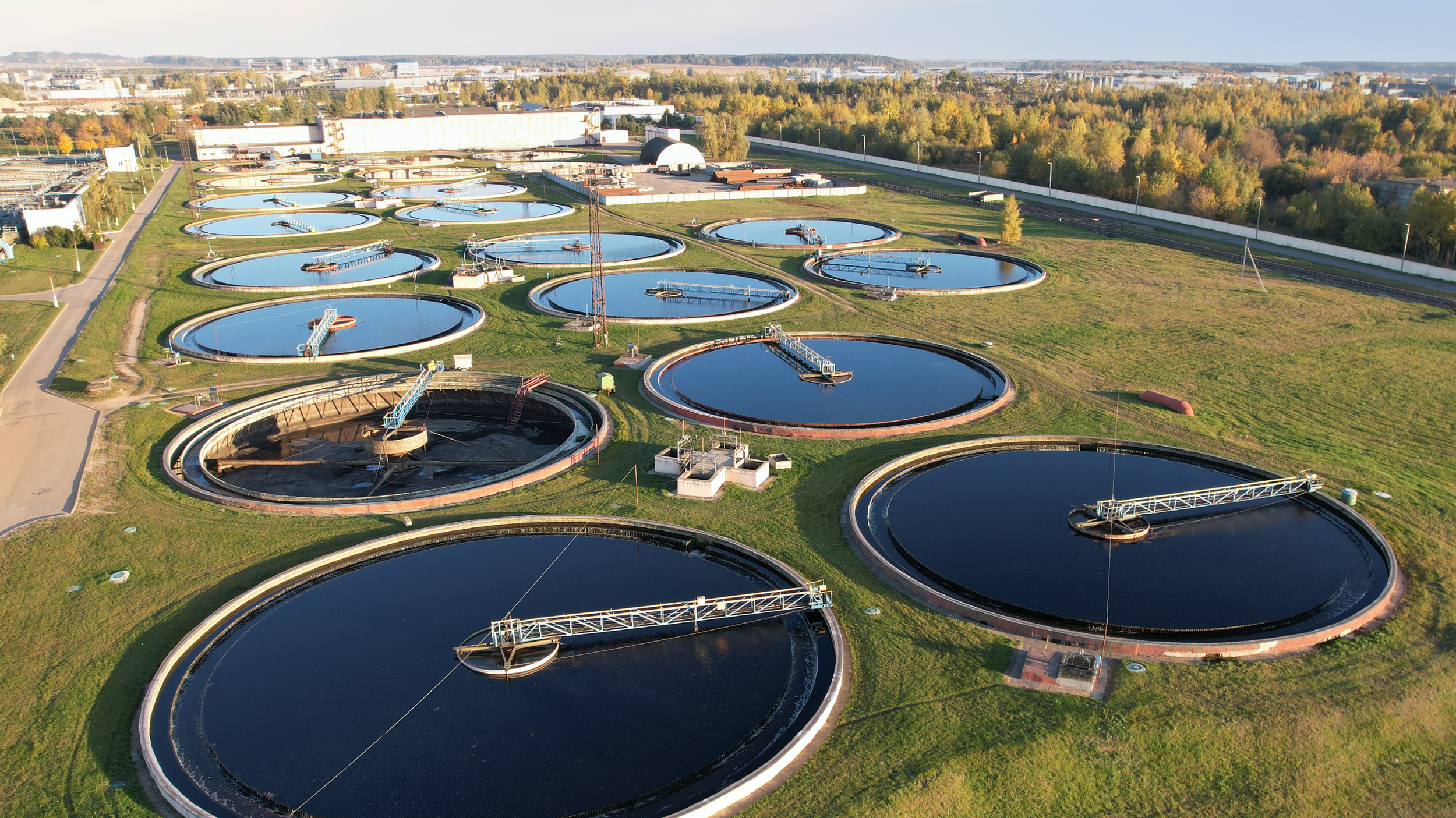

La vigilancia de aguas residuales protege la privacidad de las personas en cada paso del proceso. Conoce por qué los datos se obtienen a nivel comunitario y cómo este enfoque apoya la salud pública sin identificar a personas ni hogares.
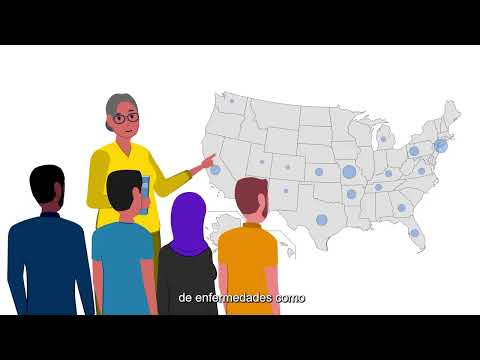
La vigilancia de aguas residuales es una herramienta poderosa a nivel comunitario que ayuda a las agencias de salud pública a proteger a tu comunidad. Se utiliza para hacer un seguimiento de enfermedades infecciosas como el COVID-19 y la influenza, identificar tendencias de manera temprana y apoyar respuestas de salud pública más rápidas y equitativas.
As we celebrate National Public Health Week, we are immensely grateful for the essential work you do. Thank you for your dedication throughout the years!

Wastewater surveillance protects people’s privacy at every step of the process. Learn why data are collected at the community level and how this approach supports public health without identifying people or households.

Wastewater surveillance is a powerful, community-level tool that helps public health agencies protect your community. It is used to track infectious diseases like COVID-19 and influenza, identify trends early, and support faster, more equitable public health responses.

El Sistema de Vigilancia de Aguas Residuales es una herramienta de salud pública que permite detectar virus y bacterias en aguas residuales o aguas usadas. Esta vigilancia epidemiológica funciona como un indicador temprano que nos ayuda a identificar el aumento o disminución de las enfermedades dentro de una comunidad.

Wastewater surveillance provides a fast, confidential and accurate way to detect Illness-causing viruses, bacteria, or exposures to environmental hazards testing waste streams entering a wastewater treatment plant. This type of surveillance helps health departments, the health care community and hospitals protect public health.
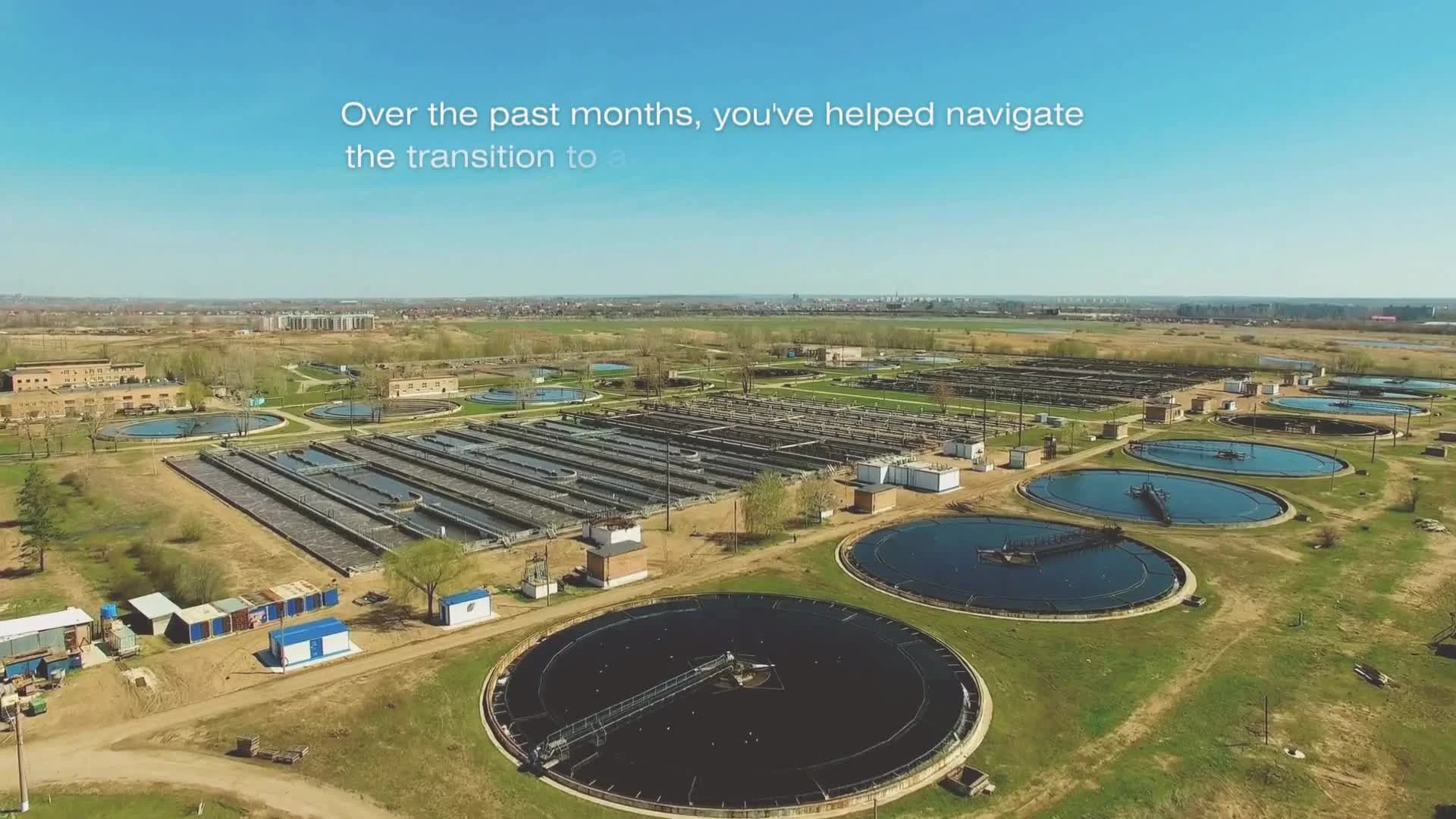
Over the past months, you've helped navigate the transition to a new lab for sample testing. Transitions are never easy, but your patience and continued commitment made it possible.
Every sample you collect, every system you keep running - It all contributes to a clearer picture of community health.
Thank you for your service. Thank you for your support. You’re keeping communities safe, one sample at a time.
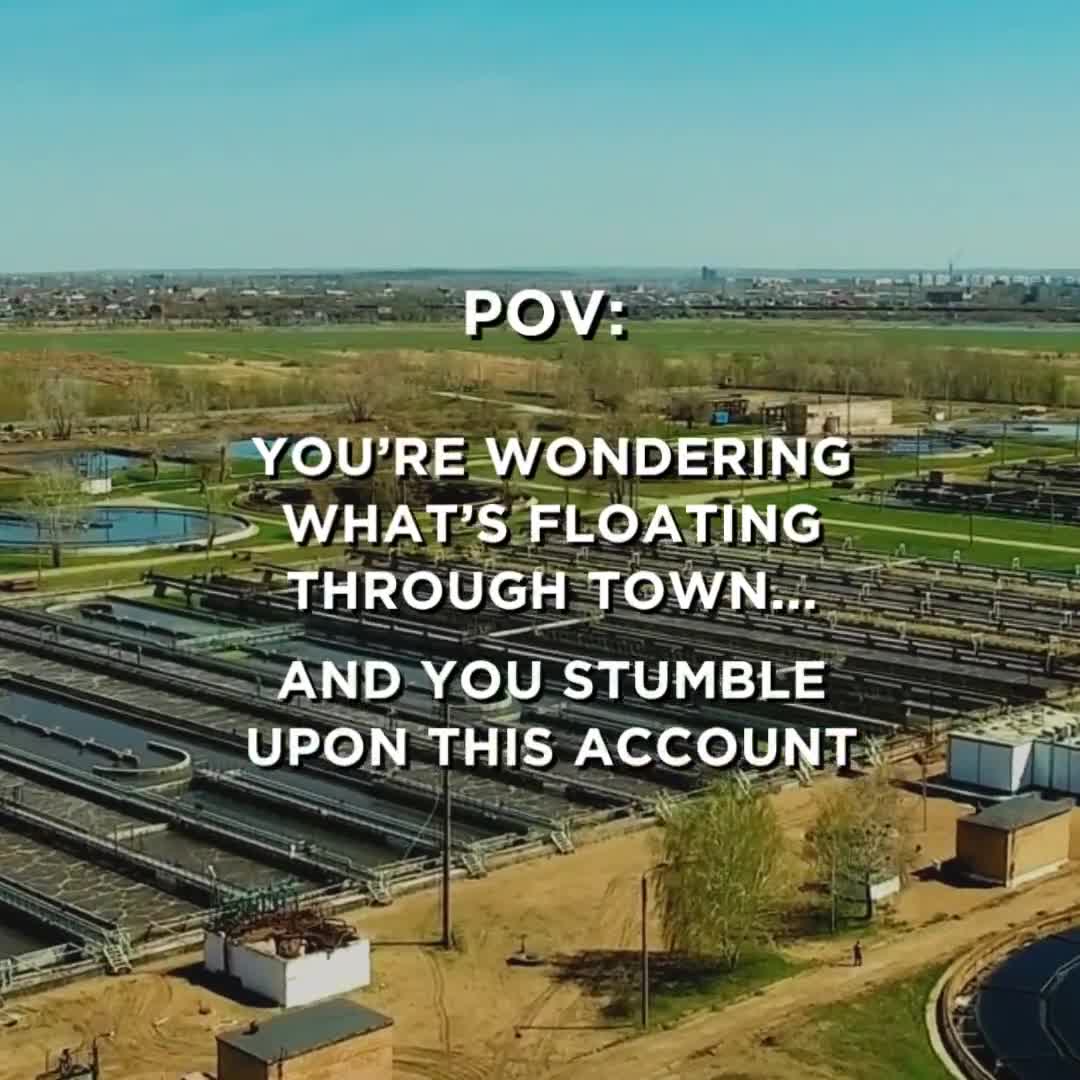

The New York State Department of Health (NYSDOH) in collaboration with Syracuse University is launching a pilot study to assess the feasibility and effectiveness of traveler-based wastewater surveillance during the solar eclipse event on April 8th, 2024. As a wastewater treatment plant operator, you can help by continuing to collect wastewater samples for analysis.
We couldn’t let Valentine’s Day pass by without thanking you for all you do for public health.
Thanks a bunch for all you do!